The Rise and Rise of Commercial Interior Design
Commercial interior design has come a long way. What was once seen as little more than the finishing touch to a business premises is now recognised as an important part of business strategy.
Today, the spaces where we work, shop, eat, relax and stay can have a real impact on how people experience a business. With competition growing, employee expectations changing and customer behaviour constantly evolving, businesses are having to think differently about their physical environments.
A well-designed commercial space isn’t simply somewhere that looks good. It can improve productivity, communicate your brand, encourage customers to spend more time in your business and create an experience that people remember.
From Afterthought to Strategic Asset
There was a time when commercial interiors were largely treated as functional spaces. Offices were filled with desks, shops with shelving and restaurants with tables and chairs. Once the practical requirements had been dealt with, design often came later.
That approach has changed considerably.
Businesses have increasingly recognised that the way a space is designed can directly influence its success. Offices have moved from rigid, hierarchical layouts towards more open and collaborative environments. Retailers are thinking carefully about the journey customers take through their stores, while hotels and restaurants are creating spaces that feel distinctive and memorable.
Interior design is no longer simply about decoration. It can help businesses communicate their culture, support their people, increase sales and stand out from competitors.
For forward-thinking businesses, commercial interior design has become a genuine strategic asset.
Bringing Your Brand to Life Through Interior Design
Your brand is about much more than your logo, website or advertising. It is also about the experience people have when they physically interact with your business.
This is where commercial interior design can make such a difference.
The right combination of colours, materials, lighting, furniture and layout can turn your brand values into something people can actually see and experience. A carefully designed space can tell your story without needing to say a word.
Think about the difference between walking into a welcoming hotel lobby, an innovative modern office or a carefully designed retail environment. Each space creates an immediate impression.
When your interior reflects your brand consistently, every part of the customer or employee journey reinforces who you are. From reception desks and meeting rooms to shop floors and hotel lounges, the physical environment becomes another way of communicating your identity.
In other words, good design makes your brand feel real.
The New Workplace
The way we work has changed dramatically in recent years, and commercial interior design has had to change with it.
Hybrid working, flexible offices and agile workplaces are now commonplace. Employees may spend part of their week at home and part in the office, meaning the workplace needs to offer something more than a desk and a computer.
Modern offices need to accommodate different ways of working. There might be quiet areas for focused tasks, collaborative spaces for teams, informal meeting areas and technology-enabled rooms for communicating with colleagues working remotely.
Hot-desking and activity-based working have also become increasingly common.
The most successful workplaces are those that give people a reason to come into the office. They create opportunities for collaboration, creativity and social interaction that can be difficult to replicate at home.
As businesses and teams continue to evolve, commercial interiors need to be flexible enough to keep pace.
Designing Spaces Around People
A good commercial interior should work for the people using it.
Employee wellbeing is now an increasingly important consideration for businesses, and workplace design can play a significant role. Natural light, greenery, comfortable furniture, good acoustics and access to fresh air can all contribute to creating a more pleasant environment.
Biophilic design, for example, brings elements of nature into the workplace through plants, natural materials, views and daylight.
There is also growing recognition of the importance of spaces where people can step away from busy environments. Quiet zones and restorative areas can give employees somewhere to focus, recharge or take a break.
When businesses invest in people-centred design, they are investing in more than an attractive office. They are creating an environment where employees can feel comfortable, valued and supported.
That can have a positive impact on morale, productivity and staff retention.
Retail, Leisure and Hospitality: Creating Experiences
For retailers, restaurants, hotels and leisure businesses, the physical environment is often a major part of the customer experience.
Customers don’t simply want to buy something or use a service. Increasingly, they want an experience that feels worthwhile, memorable and different.
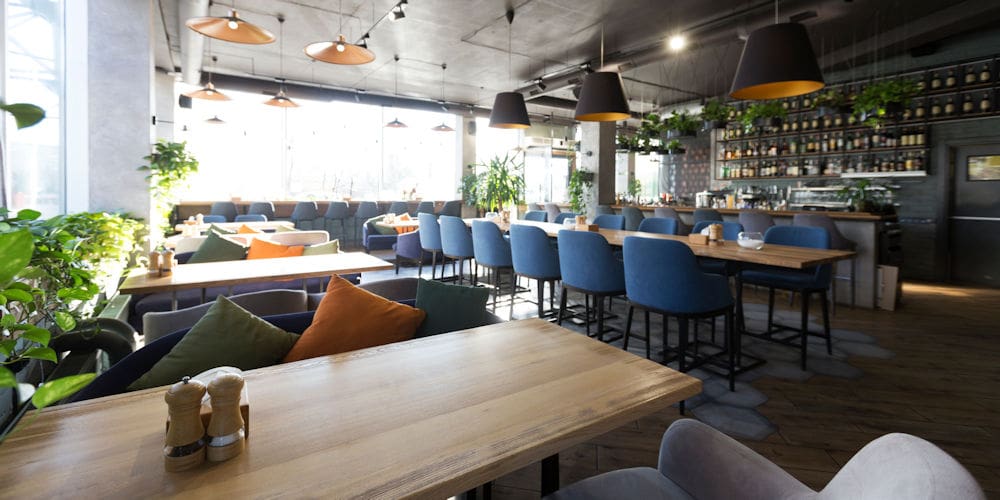
Retail design can guide customers through a store, encourage them to interact with products and create moments that make a visit more enjoyable. In hospitality, everything from the lighting and furniture to the layout and materials can contribute to the atmosphere.
A beautifully designed restaurant can become part of the reason people return. A distinctive hotel lobby can make a lasting first impression. A thoughtfully planned retail space can encourage customers to explore for longer.
Ultimately, businesses aren’t just designing spaces anymore. They’re designing experiences.
And those experiences can influence customer loyalty, spending and brand perception.
Sustainability Is Becoming Essential
Sustainability is no longer something businesses can afford to overlook.
Commercial interior design increasingly needs to consider the environmental impact of materials, construction and the ongoing operation of a space. Reusing existing furniture and materials, choosing lower-carbon options and incorporating circular design principles can all help reduce waste and environmental impact.
Energy-efficient lighting, smart building controls and responsible sourcing can also make a difference.
Frameworks such as BREEAM and LEED provide recognised benchmarks for sustainable design, while businesses are increasingly considering how their interiors support wider ESG objectives.
There is also a growing expectation from customers, employees and clients that the businesses they interact with should take sustainability seriously.
Responsible interior design can therefore benefit both the environment and a business’s long-term reputation and resilience.
The Role of Technology
Technology is becoming increasingly integrated into commercial interiors.
Smart offices can use sensors to monitor occupancy, energy consumption and comfort levels. Integrated audiovisual systems and digital collaboration tools can make communication easier, while smart lighting and connected technology can help spaces respond to how they are being used.
Technology can also improve the customer experience, from touchless systems to digital displays and other connected features.
The key, however, is balance. Technology should enhance the space rather than dominate it.
When it is properly integrated into the design, technology can make commercial environments more efficient, adaptable and prepared for the future.
Is Commercial Interior Design Worth the Investment?
One of the biggest questions businesses understandably ask is whether investing in their interiors will deliver a return.
The answer can be measured in more ways than simply how attractive a space looks.
A well-planned workplace can make better use of available floor space and potentially reduce wasted areas and property costs. A carefully designed retail environment can improve customer flow and encourage higher spending. A welcoming workplace can help with recruitment and retention, while a strong hospitality environment can encourage customers to stay longer and return again.
These are all potential measures of return on investment.
By considering factors such as employee engagement, staff retention, sales, customer dwell time and space efficiency, businesses can begin to understand the commercial value of good design.
Interior design, when approached strategically, is therefore much more than a cost. It can be an investment in the future performance of the business.
What Does the Future of Commercial Interior Design Look Like?
Commercial interior design is continuing to evolve as businesses respond to changing expectations, technology and working habits.
We’re seeing more flexible and adaptable spaces, including environments that can serve different purposes throughout the day. Modular furniture makes it easier to reconfigure rooms, while resimercial design brings some of the comfort and warmth of home into the workplace.
We’re also seeing greater crossover between work, leisure and hospitality, with hybrid environments designed to support a variety of activities.
Inclusive design is another important consideration. Commercial spaces increasingly need to work for people of different ages, backgrounds and abilities, making accessibility and inclusivity central to the design process.
The common theme is flexibility.
Businesses need spaces that can change alongside them rather than becoming outdated after only a few years.
Choosing the Right Commercial Interior Design Partner
Getting the design right starts with choosing the right partner.
A good commercial interior design consultancy should bring more to the table than creative ideas. They should understand your business, your customers, your employees, your brand and, importantly, your budget.
Experience within your particular sector can be invaluable, as can a clear approach to stakeholder engagement and project management.
The right design partner should also be willing to challenge your ideas where necessary and help you decide where your investment will have the greatest impact.
Whether you work with a design consultancy or a design-and-build company, look for a partner who understands what success means for your business — not simply what looks good on paper.
From the First Idea to the Finished Space
A successful commercial interior doesn’t happen overnight. It is the result of a carefully considered process.
The journey typically begins with understanding the business, its people, its brand and its objectives. This information then feeds into space planning, helping designers determine how the available floor area can be used most effectively.
Mood boards, concepts and 3D visualisations can then help bring the ideas to life before work begins. This allows stakeholders to see how the finished environment could look and make changes before committing to the final design.
From there, the project moves into detailed design, fit-out and refurbishment, with designers working alongside contractors, suppliers and specialist trades to turn the concept into reality.
But the process doesn’t necessarily end when the doors open.
Change management can help employees or operators adapt to their new environment, while a post-occupancy review can assess how well the finished space is performing against the original objectives.
Making the Most of Commercial Interior Design
Commercial interior design has become far more than a question of aesthetics.
It can influence how employees work, how customers feel, how a brand is perceived and how effectively a business uses its physical space.
From flexible workplaces and engaging retail environments to memorable hospitality spaces and sustainable commercial interiors, good design can help businesses respond to changing expectations while creating a stronger connection with the people who matter most.
The businesses that see their interiors as a strategic investment, rather than simply a cosmetic exercise, are better positioned to adapt and compete.
Ultimately, the goal isn’t just to create a space that looks impressive. It’s to create a space that works — for your people, your customers and your business.
And as commercial interior design continues to evolve, the most successful spaces will be those that combine creativity with purpose, technology with humanity, and great design with genuine business value.