Interior Design and Your Business Belong in the Same Conversation
Interior design is about much more than choosing the right colours, furniture or finishes. For businesses, the space you operate from can significantly shape how customers see your brand, how your employees feel at work, and, ultimately, how well the business performs.
From a retail environment that encourages customers to browse and buy, to an office that helps employees stay productive and connected, good commercial interior design should work hand in hand with your wider business goals.
Your space extends your brand. When thoughtfully designed, it can attract the right customers, support your team, and create an experience people remember. In a competitive market, that makes interior design a practical business investment, not just a cosmetic one.
Brand Storytelling Through Space: Aligning Interior Design with Your Business Identity
For many customers, your premises are one of the first chances to experience your brand in person.
A well-designed interior can communicate who you are before a customer has even spoken to a member of your team. This goes far beyond putting a logo on the wall. Colours, materials, lighting, furniture, signage and finishes can all work together to create a space that reflects your brand and values.
Think about how you want customers to feel when they walk through the door. Perhaps you want your business to feel innovative and forward-thinking. Maybe your brand is built around warmth and community, or perhaps you want to create a sense of luxury and exclusivity.
When these ideas are reflected consistently in your interiors, they become part of your brand story. The result is a space that not only looks good, but also helps people understand and remember your business.
From Footfall to Sales: How Interior Design Influences Customer Behaviour
A space’s layout can surprisingly affect how people behave within it.
In retail and hospitality, for example, thoughtful planning can influence how customers move through a space, what they notice and how long they stay. Clear sightlines, intuitive wayfinding and strategically positioned displays can encourage people to explore rather than walk in and head straight back out.
Less obvious details also shape the customer experience. Lighting, sound, scent and texture can all influence how comfortable and engaged people feel.
Even something as straightforward as the point-of-sale area can make a difference. A well-planned checkout can reduce queues, make purchasing easier and create opportunities for additional purchases.
Good interior design works quietly in the background. Customers may not consciously notice every design decision, but they experience the combined effect — and that can influence engagement, loyalty and sales.
Productivity, Wellbeing and Culture: The ROI of Good Workplace Design
The modern workplace needs to do more than provide employees with somewhere to sit.
A well-designed office should support the different ways people work throughout the day. Employees may need quiet areas for focused work, comfortable spaces for collaboration, and well-equipped rooms for meetings and video calls.
Good workplace design can also directly impact well being. Natural light, comfortable furniture, good air quality, and effective acoustic control can all contribute to a healthier, more pleasant working environment.
This has become even more important as hybrid work continues to change how businesses use their offices. A workplace needs to be flexible enough to accommodate different working styles and changing attendance patterns.
When employees feel comfortable and supported by their surroundings, it can boost morale, engagement, and company culture. Investing in your workplace also sends a simple but important message: your people matter.
Practical Design Elements That Can Transform Business Performance
Sometimes, small design decisions make the biggest difference.
Lighting, for instance, can draw attention to key products, create the right atmosphere, or help employees concentrate. Colour can influence a space’s mood, whether you want it to feel calm, energetic, or reassuring.
Acoustics are another easy-to-overlook area. In offices, restaurants and healthcare environments, excessive noise can quickly make a space uncomfortable and affect concentration.
Effective space planning can make a business easier to navigate and operate more efficiently. The right furniture can improve comfort and flexibility, while clear signage and wayfinding can help customers and employees move around with confidence.
Accessibility should also be part of the conversation from the beginning. A space that works well for people with different abilities is not only more inclusive, but can also make your business accessible to a wider audience.
And then there is sustainability. Choosing durable, responsibly sourced materials and making thoughtful energy-use decisions can reduce environmental impact while reinforcing the values your brand wants to communicate.
Interior Design as a Strategic Business Investment, Not a Cosmetic Cost
It can be tempting to view an interior refurbishment as an expense that makes a space look better. But approaching design in this way can mean missing out on much of its potential value.
Instead, think about what you want the space to achieve for your business.
A clear budget and refurbishment strategy can help you prioritise spending and focus investment where it will have the greatest impact. You can also phase larger commercial fit-out projects, helping businesses manage cash flow and minimise disruption.
Good design can also save money in the long run. Durable materials, energy-efficient solutions and adaptable spaces can reduce maintenance costs and make it less likely that you will need another major refurbishment in a few years.
When your interior helps increase sales, improve productivity or retain employees, it becomes much more than an expense. It becomes an asset that contributes to the business’s success.
Design for Different Business Types: Retail, Offices, Hospitality and More
No one-size-fits-all approach works for commercial interior design.
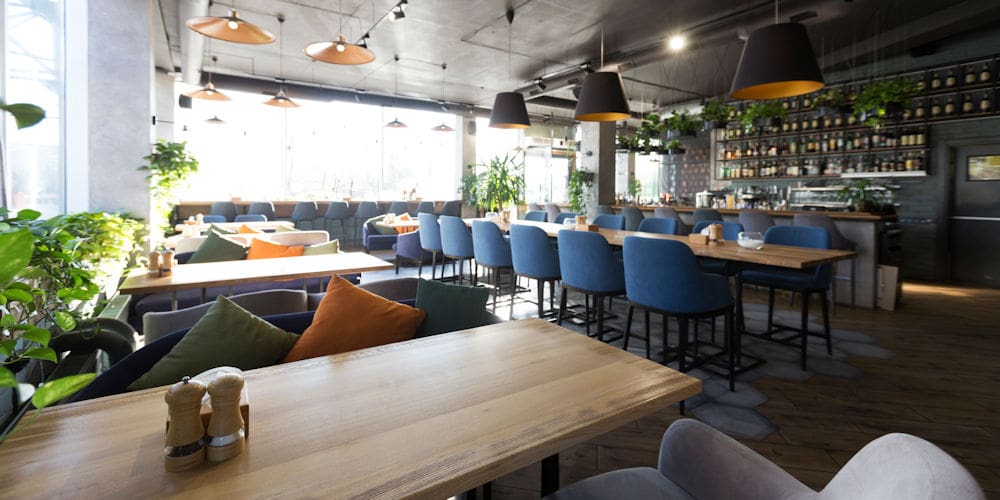
A retail environment might prioritise product visibility, customer flow and opportunities for impulse purchases. A restaurant or café, on the other hand, needs to create the right atmosphere while ensuring staff can move efficiently between the kitchen, service areas and customers.
Hotel interior design needs to make a strong first impression while also accommodating practical requirements such as check-in, waiting and luggage movement.
Healthcare and clinic interiors have their own challenges. They need to feel professional and reassuring while also meeting regulatory and practical requirements.
Co-working spaces need flexibility and a sense of community, while salons and spas often focus on relaxation, privacy and creating a feeling of escape. Professional services offices may need to communicate trust, expertise and discretion.
The best interiors start with an understanding of how the business actually operates. Design should support those needs rather than follow a particular aesthetic.
Creating a Consistent Customer Experience Across Multiple Locations
For businesses with several locations, consistency can play an important role in building a recognisable brand.
Customers should ideally be able to walk into different branches and still recognise the same business. This doesn’t mean every location has to look identical, but it should have a clear visual connection between them.
Design guidelines can establish consistent colours, materials, signage, furniture and key layout principles. At the same time, individual locations can adapt to their buildings and local markets.
A well-planned roll-out approach can also make it easier to refurbish or expand multiple sites without starting from scratch every time.
The result is a more consistent customer experience and stronger trust in the brand.
Digital Meets Physical: Bringing Technology into Your Business Interior
Technology is now an increasingly important part of the physical business environment.
Digital signage and interactive displays make it easier to update promotions, share information, and guide customers. In offices, smart technology and room-booking systems can help businesses manage meeting rooms, desks and hybrid working more effectively.
Touchless technology, such as automatic doors and sensor-operated taps, can also improve convenience and hygiene — particularly in hospitality and healthcare environments.
Retailers have even more opportunities to connect physical and digital experiences. Interactive screens, product scanners and QR codes can link customers to online information, reviews or purchasing options.
The key is to make technology feel like part of the space rather than an afterthought. When integrated properly, it can make the environment easier to use, more engaging and better prepared for the future.
Sustainability and ESG: Making Your Interior Reflect Your Values
For businesses taking sustainability seriously, the physical environment is an important part of the conversation.
Choosing materials with a lower environmental impact, such as low-VOC finishes and responsibly sourced timber, can help create healthier interiors while reducing your environmental footprint.
Energy-efficient lighting and heating can reduce running costs, while reusing or refurbishing existing furniture and materials can help minimise waste.
Sustainability can also become part of the story you tell your customers and employees. When your on-site choices reflect your wider ESG commitments, people can see and experience those values rather than read about them in a company statement.
Working with an Interior Designer: What to Expect
Working with a commercial interior designer can reduce the uncertainty of a refurbishment.
The process will usually begin with a detailed design brief. This is where you set out your business objectives, brand requirements, budget, and practical needs.
From there, the designer can develop concepts and mood boards to help bring the overall direction to life. Space planning then looks at how every part of the premises will be used, from customer journeys and circulation to employee work patterns.
Depending on the project, a designer may also coordinate with contractors and fit-out teams, prepare technical drawings and help manage the project through to installation.
For UK businesses, they may also advise on areas such as planning requirements and regulatory considerations, where appropriate.
Most importantly, having a clear process helps everyone understand what is happening, when decisions need to be made and how the project is progressing.
Measuring Success: How to Track the Impact of Interior Design
If you want to treat interior design as a genuine business investment, it makes sense to measure its results.
Before starting a project, identify the areas you want to improve for a retailer, such as sales, conversion rates, average transaction value, or customer feedback.
For a workplace, you might look at employee engagement, productivity, absenteeism or how different areas of the office are being used.
Customer surveys and online reviews can also provide useful insight into how people respond to the new environment. Occupancy data can show whether meeting rooms, collaborative spaces or quiet zones are actually being used as intended.
Setting clear objectives at the start makes it easier to look back later and determine whether the investment delivered the results you hoped for.
Make Interior Design Part of Your Business Growth Strategy
Your business premises are more than just four walls. They can influence how customers experience your brand, how employees work and how effectively your business operates.
When you treat interior design as a strategic business decision rather than a purely cosmetic exercise, it can support stronger branding, better customer experiences, improved employee wellbeing, and greater operational efficiency.
The most effective approach is to start with your business objectives and work backwards. What do you want your space to achieve? Where is it currently falling short? What could be improved?
Take a fresh look at your premises and consider whether the environment helps your business move forward—or holds it back.
With the right planning and a clear understanding of your goals, your interior can become an active part of your business strategy, creating a space that works harder for your customers, your employees, and your future growth.

